
Stenographer Buys a Camera
It's time for a little navel gazing...
For most of my time behind a camera, I made photos that told you exactly what they were. A coastline at dusk. A mountain pass in flat morning light. A waterfall frozen in time. I was a stenographer, transcribing, nothing more. Making those images wasn't easy, and I don't dismiss them. But somewhere along the way, I started to feel like the transcript wasn't enough, or maybe it was too much. It told you everything without telling you much of anything. A well-crafted landscape image can evoke emotion, I won't deny that. For me it was usually a wish to be there. But it didn't leave much for my imagination to do.
That wasn't the only thing pushing me toward something different. Social media had done something dispiriting to landscape photography, turning it into competitive documentation. Everyone racing to the same overlook, jostling for the same composition, at the same golden hour, getting the same shot that already existed ten thousand times on Instagram. I didn't want to make that photo anymore. I wasn't sure I wanted to make any photo I could've found by searching a hashtag.
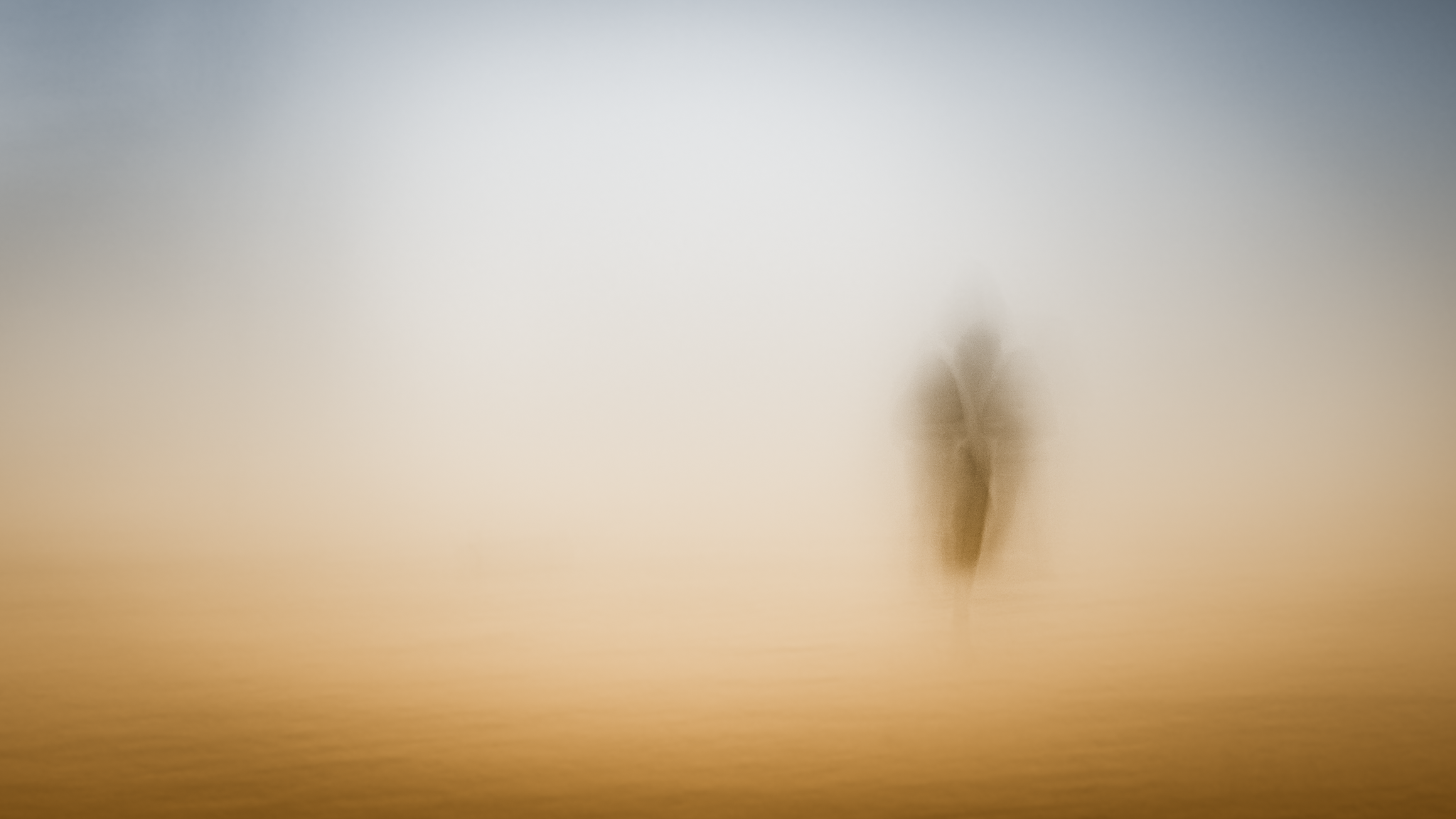
The shift wasn't a renunciation. I didn't wake up one morning disgusted with landscape photography. I just wanted something more interesting. Then the algorithm gods intervened. They started surfacing images that were less clear, less literal. Images that drew the viewer in by distorting reality and leaving something out. I began seeking out those works and the artists behind them. I started researching, learning, experimenting.
There's also been a shift in subject matter. I've moved toward urban settings. I've started seeking out people to include in the frame, where before I'd go out of my way to exclude them. The reason, I think, is that a human presence gives the viewer an opening to place themselves in the scene. You don't know who that figure is. So you decide. You become them.