
I got into photography because I loved capturing the world around me—the fleeting moments, big vistas, beautiful light and textures, and the places that felt meaningful. But over time, my passion faded. Everywhere I looked I saw the same iconic destinations captured in predictable compositions, using techniques that felt both overdone and uninspired. Photography started to feel like a routine, a chore and a competition rather than a creative process.
Am I hauling the “right” gear?
Do I have the perfect comp?
Why didn’t I bring that other lens with me?
Will I get a lot of likes?
Why am I tripping over so many other photographers trying to capture exactly the same shot?
Distractions, excuses and anxiety. I was producing images that looked technically fine but weren’t exciting to me anymore. Photography became less about my own vision and more about keeping up. I was bored, and every time I looked at my camera, I silently groaned.
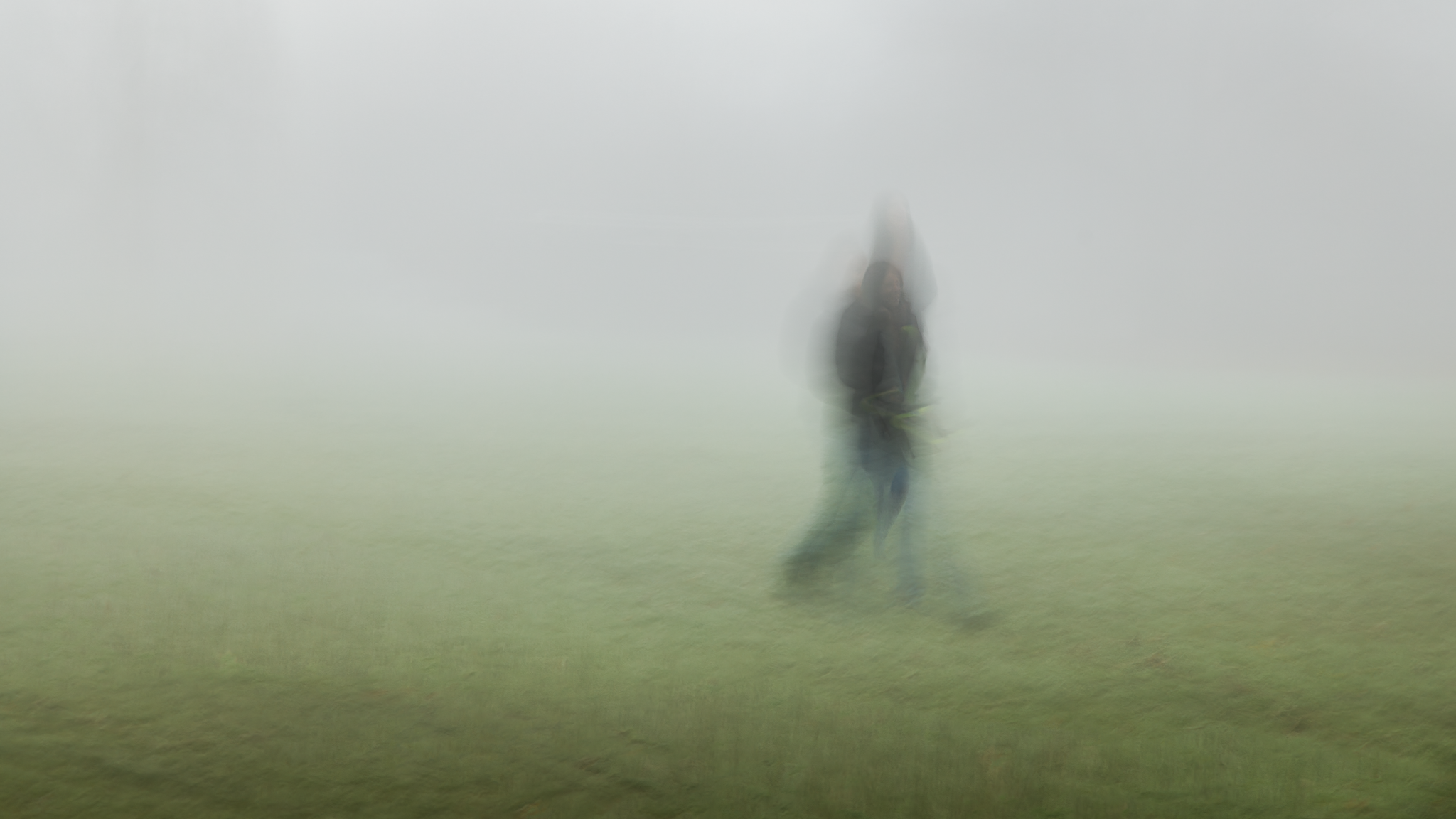
Intentional Camera Movement (ICM) has gotten me excited about photography again. It’s given me a way to step away from the rules, the competition, and the sameness, and instead focus on creating something that feels uniquely mine. With ICM, it’s not just about capturing what I see — I get to re-imagine everything… playing with my images and turning the ordinary into something unexpected and expressive. It’s helped me see the world differently and rediscover the happiness I felt when I first picked up a camera. I hope these images bring you as much enjoyment and surprise as they’ve brought me in creating them. And I hope they spark questions. If they do, you know where to find me.
Oh, and one more thing… dogs. I’m a dog freak!
On the technique: I make my images using a combination of intentional camera movement and in-camera multiple exposure. The blur, layering, and color shifts you see aren't post-processing effects—they're captured directly in the camera as I move it during exposure and layer multiple frames together. This approach forces me to see and respond in real time rather than fixing things later.
Post-processing is minimal and deliberate: cropping to refine composition, adjusting exposure and contrast to bring out what the camera captured, and shifting saturation to emphasize or quiet certain tones. The final image is largely what I made in the moment, not what I constructed afterward.